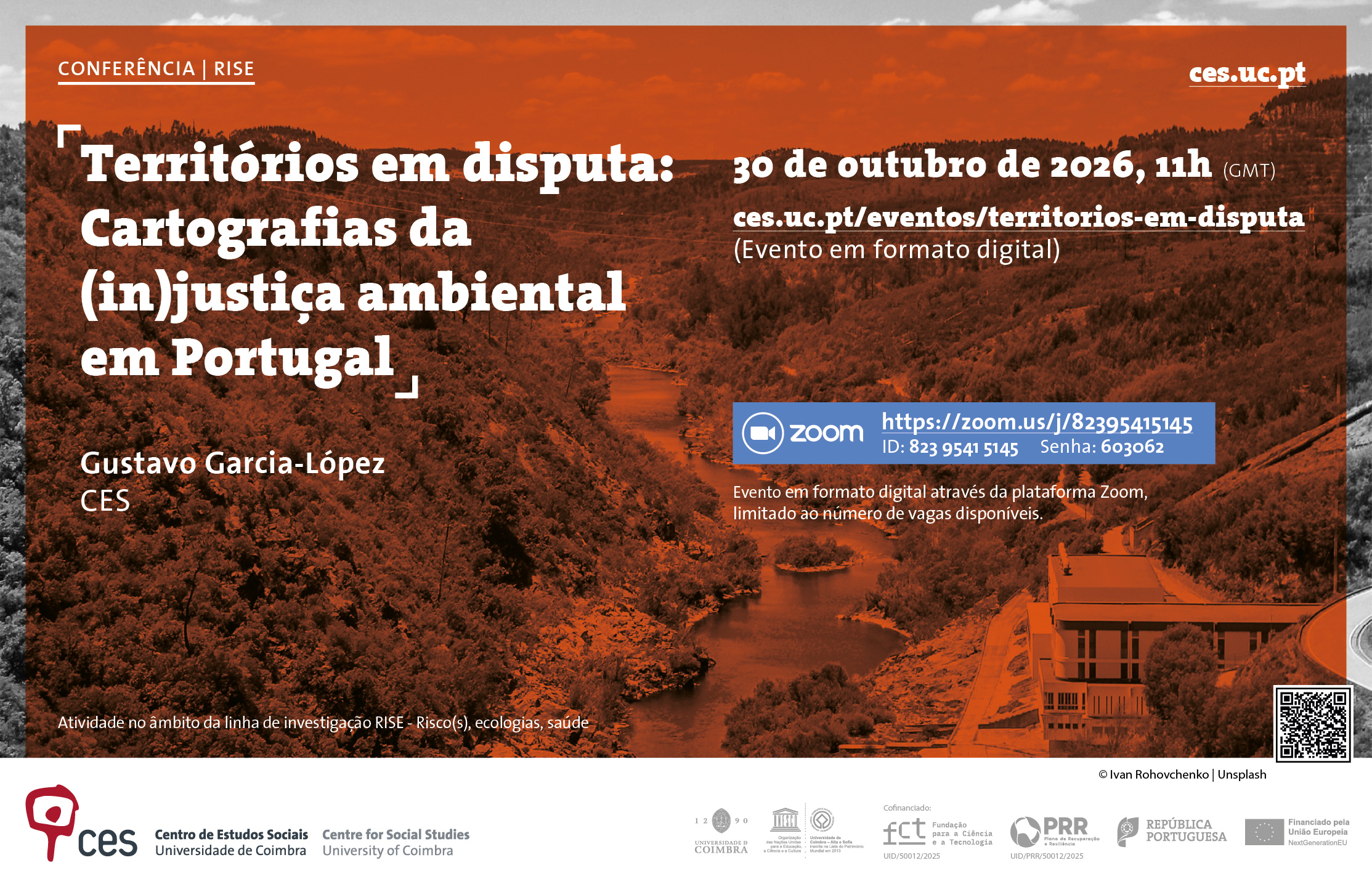
sábado, 31 de outubro de 2026

«O alerta sobre o atraso global nas metas ecológicas _ O relatório State of Biodiversity Action, lançado pelo CBD em parceria com a ONU, mostrou que menos da metade das metas nacionais avaliadas está no ritmo necessário. Entre as mais atrasadas estão justamente a ação empresarial (Meta 15) e a redução de subsídios nocivos à natureza. A proteção de áreas também preocupa: hoje, 18,7% das terras e cerca de 10% dos oceanos estão protegidos, segundo a base Protected Planet. Ainda falta muito para a meta de 30% até 2030»


«The global report on collective progress in the implementation of the Kunming-Montreal Global Biodiversity Framework, State of Biodiversity Action, provides the first comprehensive global stocktake of progress towards the Framework’s 2030 targets and 2050 vision.

Drawing on national reports, updated biodiversity strategies, scientific assessments and diverse sources of knowledge, it assesses progress across all 23 targets, identifying achievements, implementation gaps and barriers.

The final report brings together evidence from countries and stakeholders worldwide to examine where progress is advancing and where efforts must accelerate. It highlights the need for stronger implementation, coordinated action and increased ambition to translate global commitments into tangible outcomes for nature.

As a key input to the Global Review at COP 17, the report provides an evidence base to guide decision-making and help Parties and stakeholders accelerate action to halt and reverse biodiversity loss». Mais aqui.


sexta-feira, 30 de outubro de 2026

DAVID BYRNE|«Sleeping Beauties:Why Good Ideas Go Dormant and How They Wake Up»


«An Instant New York Times Bestseller

"Byrne guides us on a captivating quest to understand how we come to remember forgotten ideas, inventions and technologies . . . Sleeping Beauties belongs on the bookshelf of anyone who cares about creativity or culture." --Adam Grant, The New York Times Book Review

From incomparable creative force David Byrne, a brilliant and inspiring reckoning with how breakthroughs across the arts and sciences get forgotten, and how they get rediscovered

It's nice to believe in a meritocracy of ideas--genius is always recognized, innovation always seized upon and rewarded. In fact, so many of the people we now acknowledge as the world's great creators initially got little traction for their work. It faded out, and only later--often much later--did it somehow came roaring back to life.

Discoveries as diverse as dark matter, lichen, and continental drift . . . technologies from solar panels to the steam engine . . . artists from Bach to Bruegel, Vermeer to Melville . . . all, David Byrne shows us, were sleeping beauties. Why did they fall asleep? How did they wake back up? Ranging across centuries and the full scope of human endeavor, Byrne arrives at important conclusions that serve as a lens for bringing to light new seeds for our future breakthroughs.

Sleeping Beauties is a master class in how not to be blind to the next great thing. Several times throughout history, the shock of the new landed like a blow on vested interests and entrenched views, putting innovation on hold. Suppression emerged from pushback, the absence of key supporters, or simply a lack of complementary economic conditions.

But more important even than why ideas go dormant is why they reawaken. Again and again, Byrne shows, someone from a different discipline breaks into the silo. Frequently it's someone open to metaphorical thinking, to the counterintuitive. Hierarchies and taxonomies have their place, but they can reward insiders and punish outsiders. Oftentimes, it is the winds of change that blow away the sand that has buried momentous ideas.

Sleeping Beauties is humbling but it is also remarkably hopeful. These stories add up to a compass that leads us to the courage to try new things and the wisdom to embrace them. In a time that can seem all too dark, it's a powerful source of freely available light, delightful in itself and fit for all our human endeavors». Saiba mais.


quinta-feira, 29 de outubro de 2026

CRUZA PATRIMÓNIO, CIÊNCIA E ARTE | «Uma lista de plantas elaborada em 1789 é o ponto de partida para uma nova forma de descobrir o Jardim Botânico do Palácio Nacional de Queluz»


«Uma lista de plantas elaborada em 1789 é o ponto de partida para uma nova forma de descobrir o Jardim Botânico do Palácio Nacional de Queluz. Registada pelo médico da Rainha D. Maria I, Manuel de Moraes Soares, esta documentação histórica dá origem a uma coleção de estampas que cruza património, ciência e arte, cuja apresentação terá lugar no próximo dia 30 de outubro, às 12h00, no próprio jardim. (...)». Saiba mais.


terça-feira, 27 de outubro de 2026

“o jardim vai mudar na próxima primavera”


As imagens acima são de trabalho do Público. Se tiver acesso é aqui.  É mesmo a não perder. Direta ou indiretamente leva-nos a mais informação: sobre o CENTRO e a Oficina - atelier nele referidos. Agarraram-nos, em especial as passagens seguintes do artigo:

“O jardim está a mudar, o jardim vai mudar na próxima primavera”, diria o artista Alberto Carneiro (1937-2017), mas a cor amarela dos edifícios que foram a sua residência e local de criação vai continuar a sobressair por entre a vegetação verde do quintal e dos campos em volta no chamado Vale do Coronado. Foi aqui, na freguesia de São Mamede do Coronado, concelho da Trofa, que nasceu, viveu e trabalhou o escultor que viria a ter um lugar próprio, e único, no contexto da arte contemporânea portuguesa.
Nas traseiras da antiga casa da família, entretanto renovada, Alberto Carneiro edificou, nos anos 1980, o seu atelier-oficina, sob projecto da arquitecta Mercês Vieira, onde viria a pensar, imaginar e produzir a maior parte da sua obra, numa relação vivida em permanente comunhão com a natureza envolvente. (...)
Rodeado por um quintal recheado de uma variedade de árvores e arbustos, plantas e flores — marmeleiros e limoeiros, magnólias e camélias, buganvílias e roseiras… —, mas também de peças de granito, aço e cordas manipuladas pelas mãos de Carneiro, o atelier-oficina, um espaço de cerca de 400 metros quadrados com um pé-direito de sete metros, encontra-se ainda esvaziado, apenas pontuado com a exposição de uma peça do escultor, Metamorfose das Laranjeiras.(...)».

É verdade, o trabalho de Alberto Carneiro sempre fascinou a leiga que somos na matéria.E em termos profissionais - imagine-se! - com frequência nos ocorre quando pensamos o Paradigma DESENVOLVIMENTO SUSTENTÁVEL... Ah, em particular, aquela ligação permanente à natureza! Aquel beleza das obras feitas de materiais que todos conhecemos ... Muitas vezes pensamos, se queremos perceber ECONOMIA CIRCULAR não dispensemos o legado deste homem de CULTURA para com beleza a entendermos inteira...  Mais alguma imagens:


quarta-feira, 21 de outubro de 2026

PARA DIAS MAIORES | UMA VISITA AO SITE DA POETRY FOUNDATION ACRESCENTA |«It is easy to pretend the world stops careening forward in a place like this. The air smells like birch, oak, and pine.»


*
*  *


«(...)The Paimio Lounger is bentwood and not metal for a number of reasons, or we can tell ourselves a number of stories. Bentwood was then a fairly new industrialized technology, pioneered in furniture by the German-Austrian maker Michael Thonet, but Aalto wanted something softer and more natural than metal. We are told this by labels at MoMA, for example, which in 1938 gave Aalto his first museum exhibition, just three years after its show of Le Corbusier’s recent work. We need to imagine the Finnish timber industry and the splayed wings of the Paimio Sanatorium sitting in the forest mean something—that they result in softness of form, bent wood instead of metal, but also in a national character. We tell ourselves that in the Finnish forest where Paimio Loungers are, whether you live or you die, there’s a sort of gentle modernity to it, something linked to Finnish design in the American imagination.

Bentwood warms to the touch. The patient’s back against the chair lets them rest and breathe. Tangere me, touch me, says the modern-yet-pliable chair back for the end of breathing. Noli me tangere, touch me not, says tuberculosis, says sanatorium, says Paimio, 148 kilometers from Helsinki. Plagues are historically a sign of the end of the world. We all remember 2020 and not breathing. I think of W.H. Auden, who writes about the dog days of the Roman Empire in his poem “Under Sirius,” which takes as its subject the sixth century Merovingian court poet Venantius Fortunatus, who was not especially fortunate. Here are the first two verses: (...)

 Bertolt Brecht, you were right: we sing about the dark times, in at least two languages, sprawled on the white wood floors of the kind of planned, tidy little apartments for which this furniture of exquisite proportion was made. The neighborhood is half functionalist, bright apartment towers, half postcard-perfect wooden cottages initially built for laborers, nudged against housing thrown up for the 1952 Helsinki Olympics. It is easy to pretend the world stops careening forward in a place like this. The air smells like birch, oak, and pine. (...)».


«GreenBiz 27»


E gostamos deste «organizador»:
«It's complicated. Let's talk about it.»


quarta-feira, 14 de outubro de 2026

ERNEST HEMINGWAY|«O Velho e o mar»


Descrição: «

Santiago, um velho pescador cubano, está há quase três meses sem conseguir pescar um único peixe, quando o seu isco é finalmente mordido por um enorme espadarte. O peixe imponente resiste, arrasta a sua canoa cada vez mais para o alto mar, na corrente do Golfo, e obriga a uma luta agonizante de três dias que o velho Santiago acabará por vencer, para logo se ver derrotado. Com uma linguagem de grande simplicidade e força, Hemingway retrata nesta aventura poética a coragem humana perante as dificuldades e o triunfo alcançado apesar da perda. Comovente romance, obra-prima de maturidade de Hemingway, O Velho e o Mar recebeu o Prémio Pulitzer em 1952 e desempenhou um papel essencial na obtenção pelo seu autor, dois anos mais tarde, do Prémio Nobel de Literatura». Saiba mais.

*

*   *
Hemingway posa com um Marlin em Havana Harbor, Cuba,
 em julho de 1934 (John F. Kennedy Presidential Library and Museum/Ernest Hemingway Collection)
Daqui

excerto:«(...) Para além dos aspectos biográficos e alegóricos, a obra ainda guarda uma grande atualidade, na opinião do escritor, jornalista e crítico literário José Castello. “O romance trata da solidão – e, apesar da alta tecnologia que nos conecta, nunca estivemos tão sozinhos. Trata de uma luta desesperada. Num tempo de guerras, êxodos forçados e ameaças atômicas, também o desespero exige de nós uma grande abnegação”, afirma. “Trata, enfim, da experiência da derrota, e num país que se desmonta, num mundo que parece prestes a explodir, poucas vezes nos sentimos tão vencidos.”».

*
*  *
é de lembrar esta edição


segunda-feira, 12 de outubro de 2026

HOJE NA GULBENKIAN | FILME |«Guardiões do Património Natural»


FILME

Guardiões do Património Natural


Seg, 12 out, 17:30, Estúdio – CAM, Entrada gratuita


Em antecipação da COP17, que decorre de 19 a 30 de outubro na Arménia, a Fundação Gulbenkian apresenta, em antestreia, Guardiões do Património Natural, documentário que dá a conhecer o trabalho de organizações que se dedicam à conservação da natureza e à proteção da biodiversidade em Portugal. Saiba mais.


domingo, 11 de outubro de 2026

«Rooted in Resilience – How Culture Shapes Climate Resilience in the UAE»


«In partnership with the Ministry of Culture UAE, the British Council has co-commissioned a first-of-its-kind baseline analysis of culture-based climate action in the UAE.
hrough a deeply participatory and place-based approach, the research captures diverse perspectives from almost 50 cultural organisations, as well as cultural and environmental practitioners, policymakers and stakeholders across the Emirates.
The research aims to mobilise collective, people-centred climate action for resilience, while also advocating for culture in all its forms to be embedded in existing climate policy mechanisms at a national level, such as National Adaptation Plans (NAPs) and Nationally-Determined Contributions (NDCs). It will also support the development of a national policy of culture and climate change that aligns with global integration of cultural activities into climate change policies at UNESCO and the UNFCCC.
The report provides inspiration for policymakers to embed culture into climate policies and climate into cultural policies, and explore creative solutions to the climate emergency. It builds on the efforts of the Group of Friends for Culture-Based Climate Action (GFCBCA), co-chaired by the Ministries of Culture of the UAE and Brazil, of which British Council is a proud knowledge partner.
The results will be highly valuable in encouraging a cross-sectoral and inclusive approach to policymaking related to climate through culture, arts and heritage, in the UAE and beyond.
The report has been featured at both MONDIACULT 2025 – the UNESCO World Conference on Cultural Policies and Sustainable Development – and the UNFCCC Conference of Parties (COP30) in Belem, Brazil. The report is due to be launched at a National Dialogue between the Ministries of Culture and Climate Change and Environment in the UAE, followed by a series of events in partnership with cultural, education and environmental partners in different Emirates including workshops, festivals, conferences, and interactive dialogues». Saiba mais.
 

na pag.26 do Relatorio